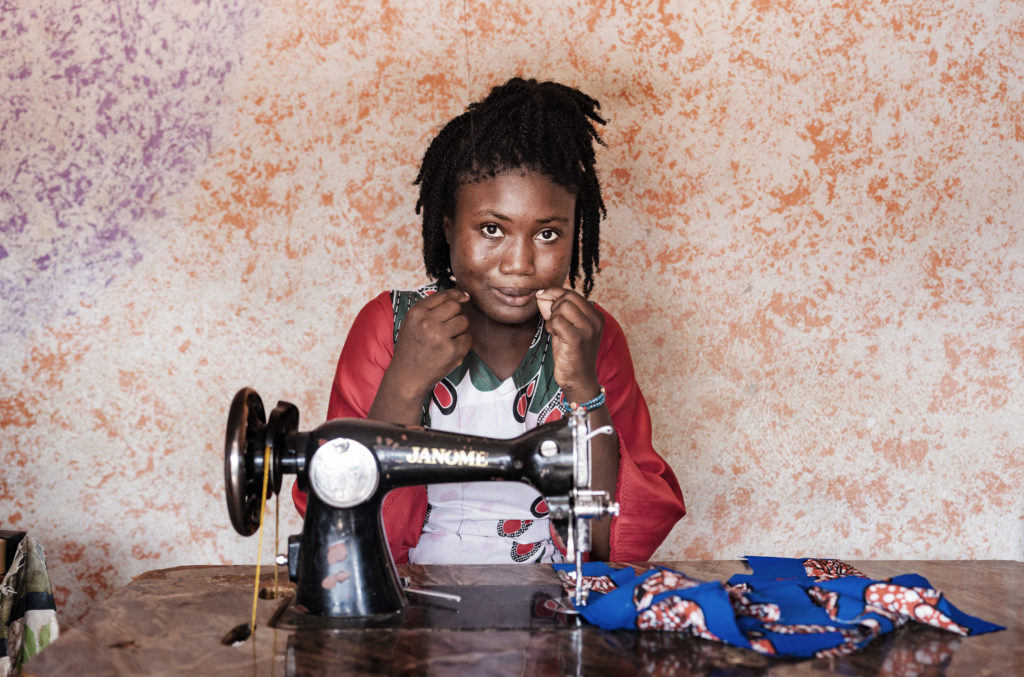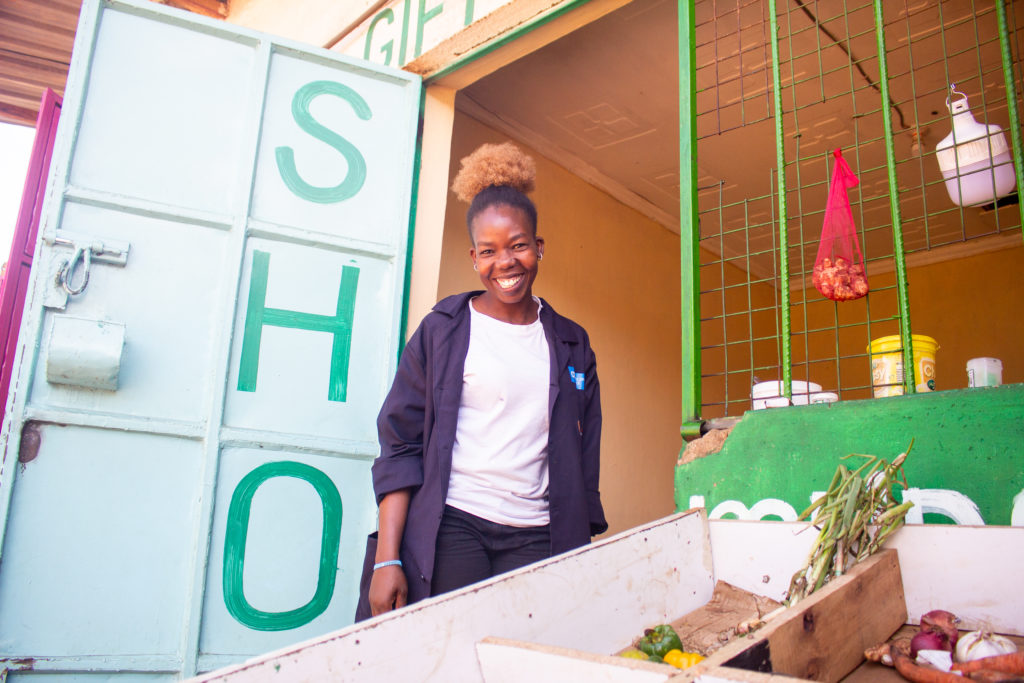
In 2014, the United Nations established a World Youth Skills Day. Held on 15 July, this day highlights the vital role of imparting a wide range of skills in order to give young people the opportunity to find decent work or to become entrepreneurs. At a time when multiple crises are affecting a turbulent and changing world, and youth unemployment remains a challenge everywhere, the theme chosen for the 2026 Day, ‘Skills for a Shared Future’, is particularly apt. In particular, this concerns “the need to develop innovative training programmes for young people that prepare them to integrate successfully into societies and economies, where they will be able to lead with empathy, communicate across cultural boundaries, build their resilience and contribute to a better future”, as stated on the UNESCO website.
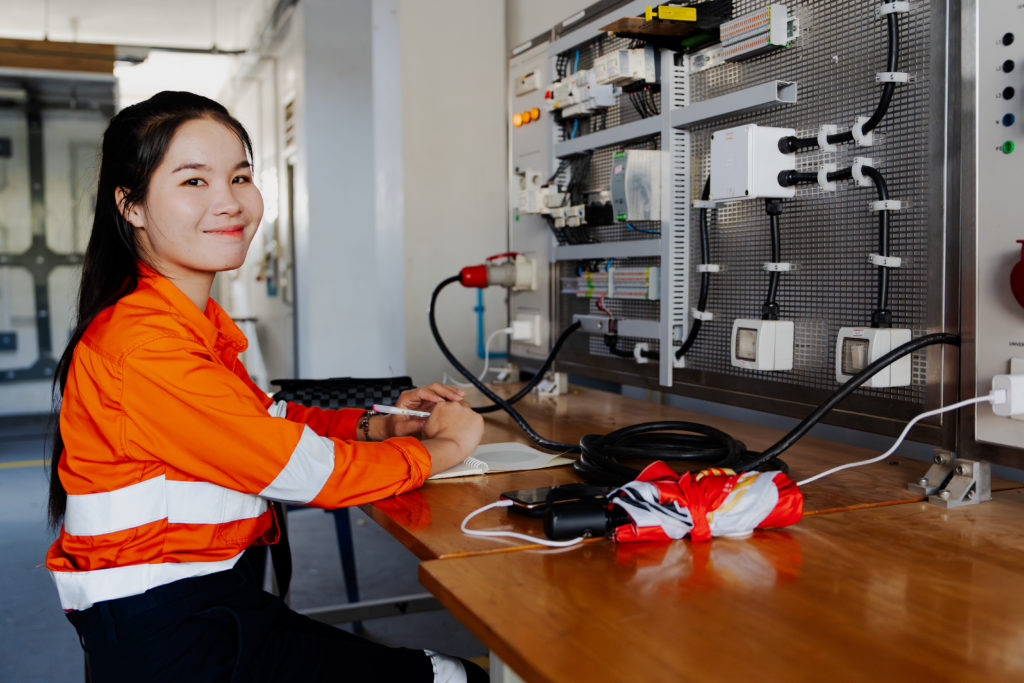
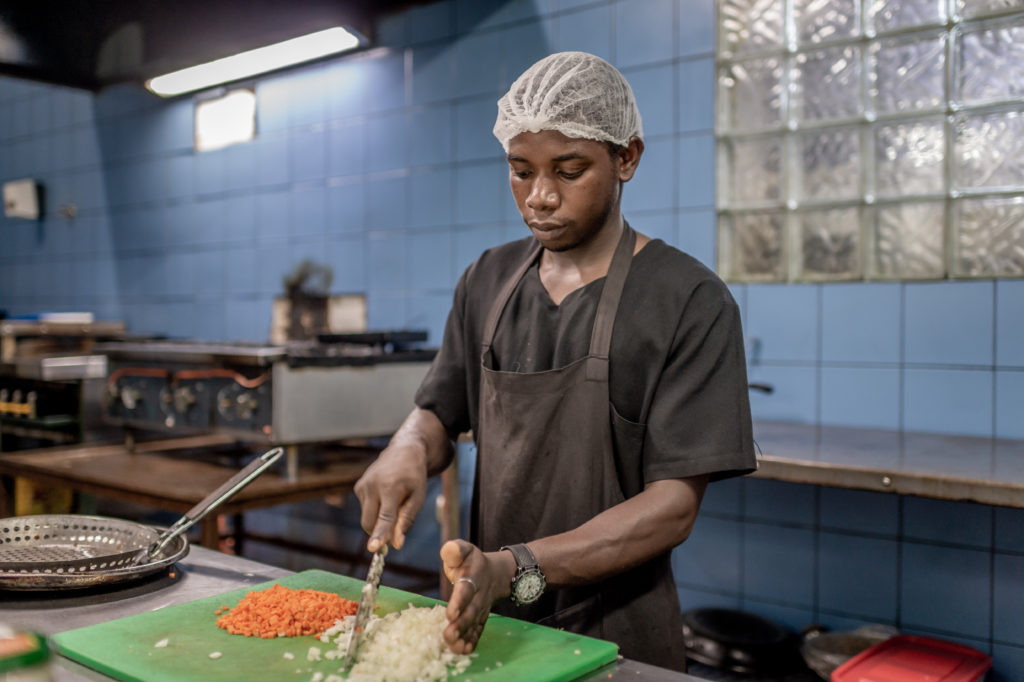
YouthCan! will celebrate its 10th anniversary in 2026
At SOS Children’s Villages, we naturally associate ourselves with this Day. Training, employability and innovation lie at the heart of many of our projects supporting vulnerable young people across the globe. A prime example is the YouthCan! programme, launched in 2017 by SOS Children’s Villages International to promote the employability of young people, particularly those deprived of parental care or at risk of being so, and those living in extremely precarious circumstances.
This 15 July provides a wonderful opportunity to present the programme’s progress and key figures from the past year, and to demonstrate how it gives young people real opportunities to build their self-confidence, acquire skills and establish support networks to become self-reliant. Its impact is particularly evident in the way it prepares young people for their entry into the world of work.
30,053 young people, 1,590 volunteers, 48 countries
By 2025, more than 30,000 young people – 51 per cent of whom were girls – across 48 countries had benefited from support, mentoring, training or their first work experience through YouthCan!, with the support of 1,590 volunteers and 374 partners, most of whom were local. Furthermore, 58 per cent of participants went on to become self-employed or take up salaried employment, whilst only 30 per cent found work in the formal sector.
Hasina, a young and committed IT student!
To mark World Youth Skills Day, we are keen to share the story of 22-year-old Hasina Ramisedra, a computer science student and member of the YouthCan! Youth Council in Madagascar. Having arrived at SOS Children’s Villages in Madagascar at the age of two months, this maths enthusiast developed an interest in technology whilst at secondary school. “I used to dream of creating my own video games,” she says.
Hasina is now studying artificial intelligence engineering and data science, and is involved in a youth organisation focused on green IT. There, she explores the links between technology and environmental protection, “a crucial issue for my generation and for Madagascar, which is one of the countries most vulnerable to climate change in the world,” she explains in an article published on the SOS Children’s Villages International website to mark International Girls in ICT Day.
Towards greater digital inclusion for women
In “The systems that shape our lives cannot be built without us”, an article she co-authored, Hasina offers an interesting reflection on the importance, in a rapidly changing world, of integrating girls into education, training and employment. The young computer scientist points out that the digital divide stems from inequalities rooted in childhood and that too many girls still do not have the opportunity to acquire the skills needed to enter the fields of science or the digital economy. Globally, only a quarter of AI professionals are women, and fewer than 15 per cent of them hold senior positions.
Hasina highlights the barriers to digital inclusion and explains why it is essential to reflect everyone’s realities in AI systems, because ‘if girls and women cannot influence the systems that affect their lives, inequalities will become permanently embedded in them and the cycle of precariousness will continue’. There is therefore an urgent need to take collective action.