


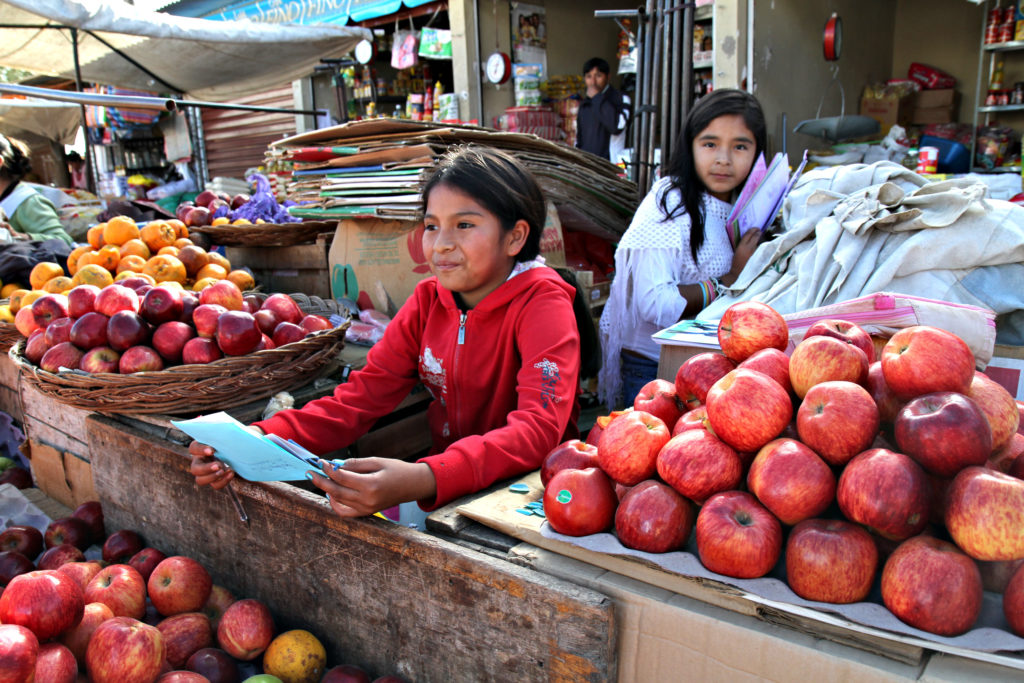
“Show the red card to child labour: a protected childhood, decent work for adults” is the 2026 theme of the World Day Against Child Labour. Established in 2002 by the International Labour Organization (ILO), this day seeks to raise global awareness of a profound and persistent injustice. Like many humanitarian actors, we stand firmly against child labour and work tirelessly to ensure that every child has access to quality education and, later in life, to decent employment. On this 12 June, we reaffirm that every child has the right to learn, to play, to dream, and to imagine a future of their own.
© Bjørn-Owe Holmberg
138 million children affected
Despite significant progress in reducing child labour since the turn of the millennium, the global situation remains deeply troubling. The Sustainable Development Goal target 8.7, which aimed to “end child labour in all its forms by 2025”, has clearly not been met.
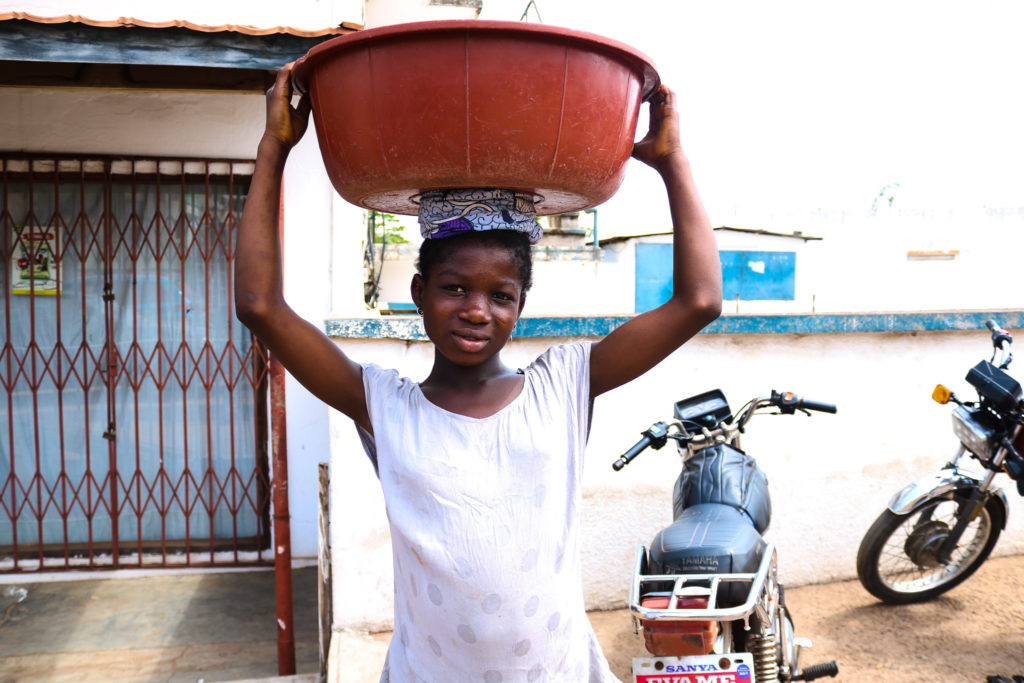
According to the United Nations, 138 million children are still compelled to work today-most of them in agriculture. Among them, 54 million are engaged in hazardous labour. The highest concentration-around 87 million children-lives in sub-Saharan Africa.
Ending child labour: quality education and intercultural dialogue as safeguards
On this 12 June, together with the international community, we raise the red card against child labour. At SOS Children’s Villages International, we have long been committed, alongside our partners and sister associations, to preventing and protecting children from labour and the violence that often accompanies it. We work to guarantee them a quality education within a safe, nurturing, and stimulating environment. Our mission is guided by the United Nations Sustainable Development Goals, particularly SDG 4, 5, and 8.
Attending school—and staying in school—remains the most effective way to prevent children from being forced into work and to secure for them a future with decent employment.
© Jessica Tradati
Alongside our education-focused projects currently underway in Morocco and Cape Verde, child protection and education are woven into all our programmes, whether in development, emergency response, or resilience-building. Across Africa, teams and communities are mobilised to end child labour, strengthen education systems, and promote intercultural dialogue.
Children’s Clubs in Niger
This is particularly true in our PACOPE-SPE development programmes in West Africa, notably in the Nigerien regions of Dosso and Tahoua. There, 12 Children’s Clubs, 15 Parent–Teacher Associations, and other well-established community structures work hand in hand with local authorities and families to uphold every child’s right to education. They strive to strengthen the quality of schooling, encourage youth employability, promote gender equality, reduce gender-based inequalities, and more broadly foster peaceful, just, and equitable societies.
Peace Clubs in Ethiopia
In Ethiopia, within a resilience-support project that integrates nutrition, development, and peacebuilding, new Peace Clubs are being created in Moyale, in the country’s south—an area where major communities such as the Oromo and Somali peoples live side by side. These clubs aim to bring together students from diverse backgrounds so they may become genuine ambassadors of peace within their own communities.
They will organise sociocultural activities such as sports tournaments and inter-school artistic exchanges, helping to nurture intercultural dialogue and peace in this border region between Ethiopia and Kenya, where intercommunal tensions are frequent.